
Sony WH-1000XM5 — WH1000XM5B
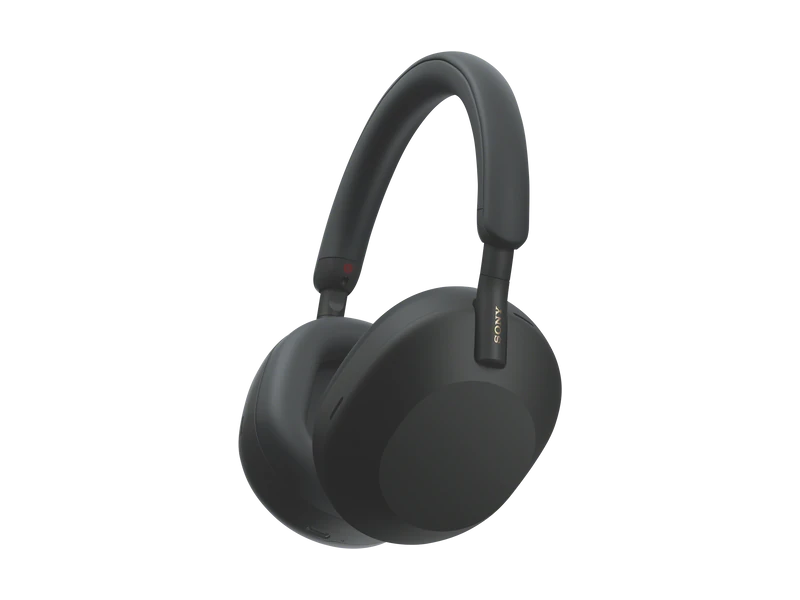
Product image: The Good Guys listing for the exact black WH1000XM5B model.
The black Australian model WH1000XM5B weighs about 250g and combines adaptive noise cancellation, ambient listening, Bluetooth multipoint and LDAC, AAC and SBC codec support. Sony rates battery life at up to 30 hours with noise cancelling on and 40 hours with it off. Compatible Android devices can use LDAC; iPhones cannot.
Extended product analysis
Sony specifies a 30mm driver, its HD Noise Cancelling Processor QN1 and Integrated Processor V1, eight microphones, Auto NC Optimizer and beamforming microphones for calls. These are manufacturer specifications; listening preferences and headphone fit vary between people.
The XM5 supports Bluetooth multipoint and supplied analogue 3.5mm listening. USB-C is for charging rather than digital audio. Sony describes the carrying case as collapsible; the earcups swivel, but the headset does not fold at the hinges like some older models. There is no stated IP water-resistance rating. Battery figures and quick-charge claims use Sony's test conditions.
When checked, the XM5 was about A$395–A$399 in Australia, while the XM6 was materially higher. Promotions change, but that price gap makes the mature XM5 the better broad purchase at those prices.
Evidence and ownership
Pros
- Excellent noise cancellation
- Comfortable, light over-ear design
- Up to 30 hours rated with ANC
- LDAC and Bluetooth multipoint
- Strong Australian value at reassessment pricing
Cons
- No USB-C digital audio
- No stated water or sweat rating
- Headphones do not fold at the hinges
- Call quality and seal depend on environment and fit
- Not the newest feature set
Bose QuietComfort Headphones (2nd Gen) — 895491-0100
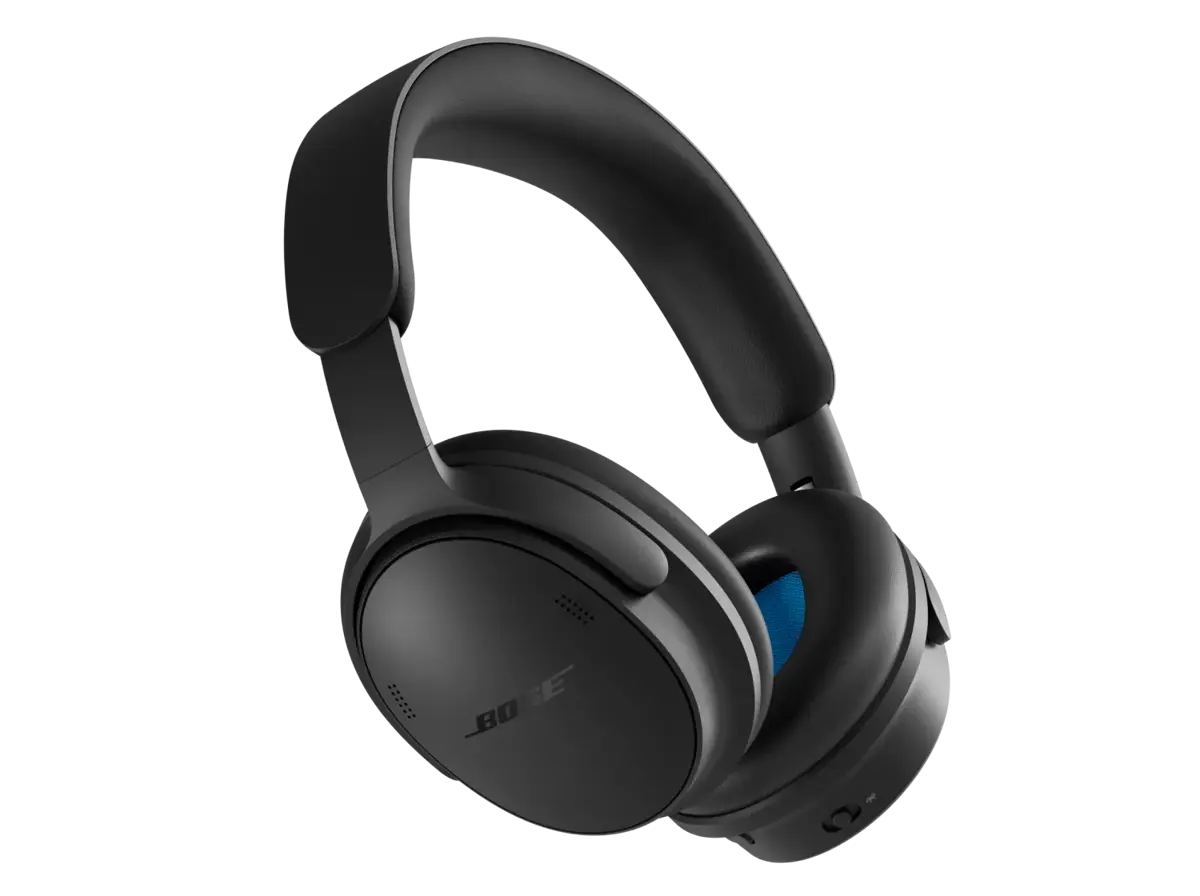
Exact 2026 QuietComfort Headphones (2nd Gen) in the recommended black Australian SKU, not the previous QC or current Ultra model.
Quiet, Aware, Immersion, Cinema and ANC Off modes provide useful control, with ActiveSense in Aware mode, TrueSpatial processing, Bluetooth 5.4 and multipoint. Independent testing finds exceptional attenuation across aircraft rumble, traffic, office chatter and higher-frequency everyday sound.
Extended product analysis
Bose's current official rating is about 24 hours with standard ANC listening and 18 hours with Immersive Audio, plus up to 2.5 hours from a 15-minute quick charge. Independent testing has measured roughly 27 hours under another method. Retailer copy stating 30 hours is not substituted for Bose's official specification.
USB-C digital audio is supported from compatible sources, and the box includes both a USB-C cable and USB-C-to-3.5mm cable. Mic quality is natural in easier conditions but degrades more in loud background noise than Sony.
Why not Bose Ultra?
QC Ultra 2nd Gen adds premium construction, CustomTune, aptX Adaptive and other flagship refinement. Standard QC 2nd Gen gives up surprisingly little isolation at about A$150 less, making it the better travel buy for most people.
Pros
- Exceptional noise isolation
- Category-leading comfort
- Light 230g-class design
- Compact fold and hard case
- USB-C digital audio
- Bluetooth multipoint
Cons
- Only 24 hours official battery
- Plastic-heavy construction
- No CustomTune
- No aptX Adaptive
- Calls weaken in loud noise
- No IP rating and one-year warranty
JBL Live 780NC — JBLLIVE780NCBLK
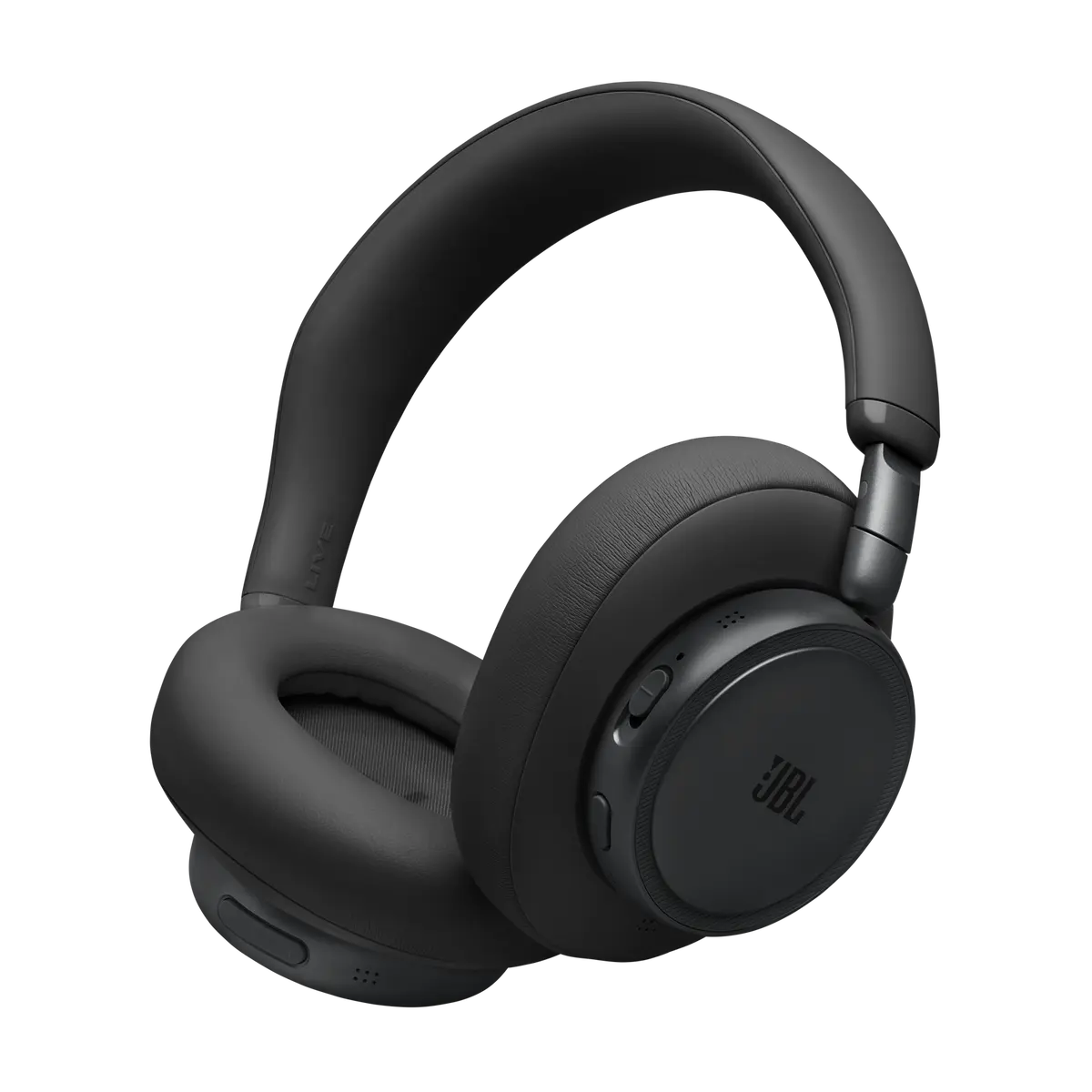
Exact current Live 780NC over-ear generation in black, not Live 770NC, Live 680NC or Tour One M3.
The 260g Live 780NC uses 40mm drivers, Bluetooth 6.0, True Adaptive Noise Cancelling 2.0, Ambient Aware, TalkThru, LE Audio, multipoint, Personi-Fi 3.0 and app EQ. Independent testing also identifies LDAC and LC3 support.
Extended product analysis
JBL rates battery life at up to 50 hours with ANC and 80 hours without it, with four hours from a five-minute fast charge. Independent ANC-enabled testing has exceeded 60 hours under another method, but that is not merged with JBL's rating.
The default sound is bass-emphasised rather than neutral, though the app offers extensive EQ. The real compromise is physical comfort: professional testing found a relatively strong clamp and limited headband padding, which may fatigue larger-head users. The foldable design includes only a soft pouch.
Calls and cable context
AI-assisted call processing is acceptable, but sustained background noise reduces clarity more than on Sony. JBL supplies a USB-C-to-3.5mm audio cable; exact microphone and ANC behaviour can vary by wired mode.
Pros
- Remarkable ANC for the price
- 50-hour official ANC battery
- Multipoint and LE Audio
- LDAC and LC3 support
- Strong app EQ
- Foldable metal-hinge design
Cons
- Clamp may fatigue some users
- Limited headband padding
- Soft pouch rather than hard case
- Bass-heavy default sound
- Weaker noisy-environment calls
- No IP rating and one-year warranty
Serious contenders and alternatives
Sennheiser MOMENTUM 5 Wireless: is the sound, battery and longevity alternative. It offers up to 57 hours with ANC, an unusually broad aptX suite and a user-replaceable battery, but its A$749.95-class price and ANC/value case do not beat the finalists.
Bose QuietComfort Ultra Headphones (2nd Gen): add more premium construction, CustomTune, aptX Adaptive and flagship refinement. Standard QC 2nd Gen isolation is close enough to make the cheaper model the stronger travel buy for most people.
Sonos Ace: makes most sense for compatible Sonos soundbar owners using TV Audio Swap. Its home-theatre ecosystem integration—not category-leading ANC value—is the primary reason to choose it.
Soundcore Space One Pro: remains a capable midrange alternative with strong ANC and 40-hour rated ANC battery life, but JBL currently offers a stronger measured performance/value balance.
Apple AirPods Max: remain strong inside Apple's ecosystem, but weight, price, battery life and cross-platform value keep them outside the formal three.
Noise-cancelling headphone buying advice
Buying advice
Start with fit and seal
Glasses, hair and head shape can weaken the earcup seal and reduce low-frequency attenuation. Bose is the safest comfort choice here, while JBL's stronger clamp deserves an in-person fit check where practical.
Compare battery figures cautiously
Manufacturer ratings and professional measurements use different volume, codec, ANC and feature settings. Treat 30, 24 and 50 hours as model-specific claims—not one controlled test.
Match wired listening to your devices
Sony supports analogue and passive listening but not USB-C digital audio. Bose supports USB-C digital audio. JBL supplies a USB-C-to-3.5mm cable. Do not assume every cable mode keeps the microphone or ANC active.
Codecs are not the whole sound
LDAC, LC3 and aptX variants affect compatibility and transmission, but tuning, drivers, fit, DSP and source quality still matter. iPhone users do not get Sony's LDAC path.
Multipoint is useful, not infallible
All three finalists support multi-device use, such as a phone and laptop. Firmware, operating systems and active apps can still affect switching behaviour.
Transparency modes preserve awareness
Sony Ambient Sound and Quick Attention, Bose Aware with ActiveSense, and JBL Ambient Aware and TalkThru can help with announcements and conversation. They do not make traffic or hazardous environments safe by themselves.
Listen and travel sensibly
Use sensible listening levels, take breaks where appropriate and use transparency or pause playback around traffic and public hazards. ANC reduces sound; it does not remove the need for situational awareness.
Which noise-cancelling headphones should you buy?
Buy the Sony WH-1000XM5 for the best broad balance of ANC, calls, battery life and current Australian value. Buy the Bose QuietComfort 2nd Gen when comfort and travel isolation matter most. Buy the JBL Live 780NC for outstanding ANC and battery value.
How we chose
Detailed methodology
We compared current Australian wireless over-ear ANC headphones across independent isolation and response testing, comfort, battery, microphone performance, codecs, multipoint, wired listening, folding and case design, app support, warranty, exact-model evidence, retailer availability and normal-market value. Manufacturer claims, professional measurements, retailer information and owner evidence remain separate. Worth Buying scores are editorial judgements, not blended customer ratings.
Frequently asked questions
Do noise-cancelling headphones block all sound?
No. ANC is strongest against sustained low-frequency noise, while the physical seal handles much of the higher-frequency isolation. Fit and sound type materially affect the result.
Which pick is best for flying?
Bose is the strongest travel and comfort pick. Sony offers the better all-round feature and call package, while JBL gives much longer official battery life for less money.
Can I use these headphones with a phone and laptop?
Yes. All three finalists support Bluetooth multipoint, although switching behaviour can vary by operating system, firmware and active app.
Can I listen when the battery is flat?
Sony supports passive 3.5mm playback. Bose and JBL support wired routes, but exact ANC, microphone and feature behaviour depends on the mode and available power.
Is LDAC automatically better?
No. It can provide a higher-bandwidth Bluetooth path from compatible Android sources, but tuning, fit, source material, settings and connection conditions still determine the result. iPhones do not support LDAC.
Are over-ear ANC headphones water resistant?
None of the finalists has a confirmed model-specific IP water or sweat rating in this guide. Treat them as travel and everyday listening products rather than workout or wet-weather headphones.
Are earbuds included in this guide?
No. The formal scope is wireless over-ear ANC headphones. Noise-cancelling earbuds solve a different portability and fit decision.